Notebook Page Quality Explained: Understanding 90gsm Paper
A calm, practical guide to how notebook paper weight affects writing comfort, bleed resistance, and everyday usability.
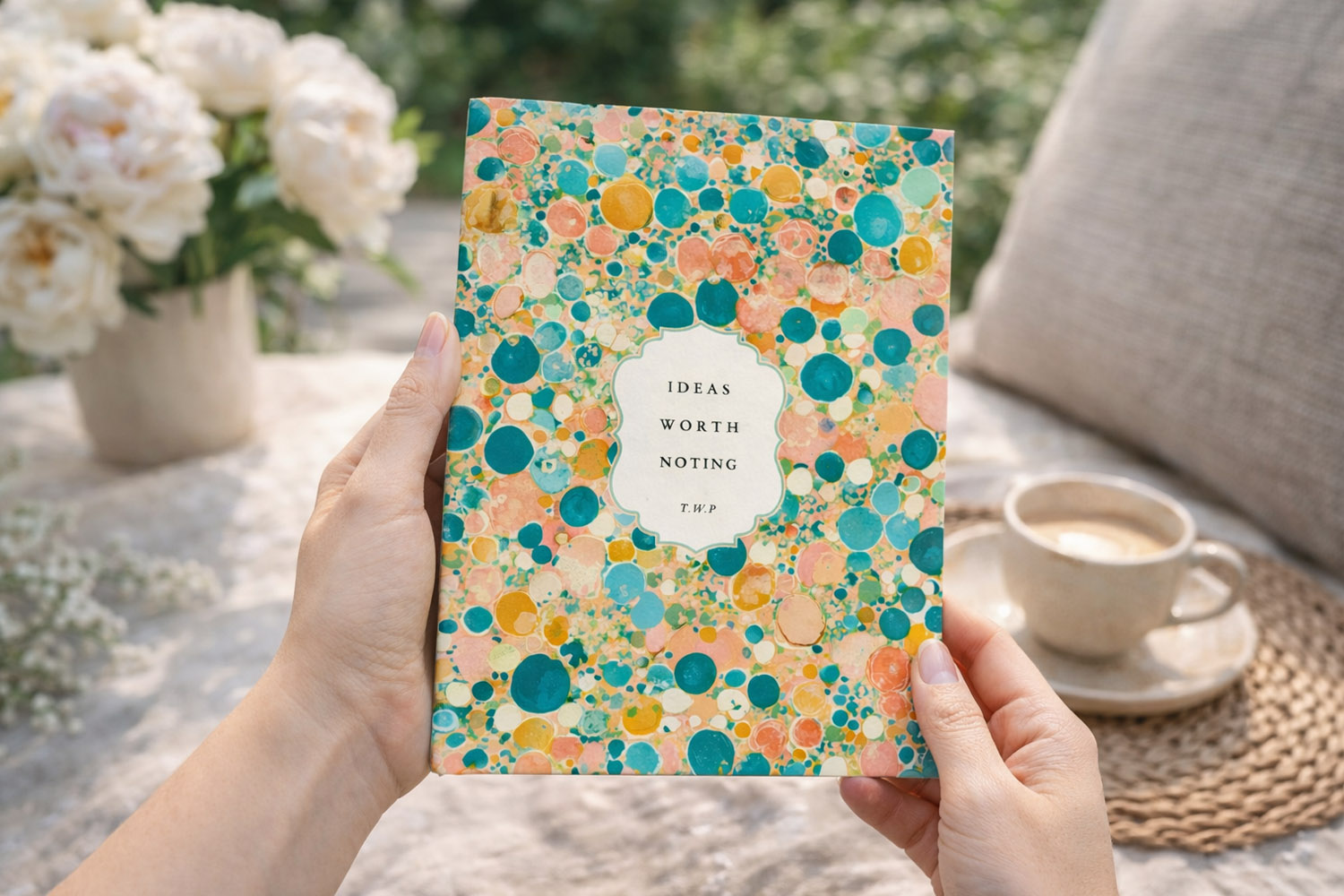
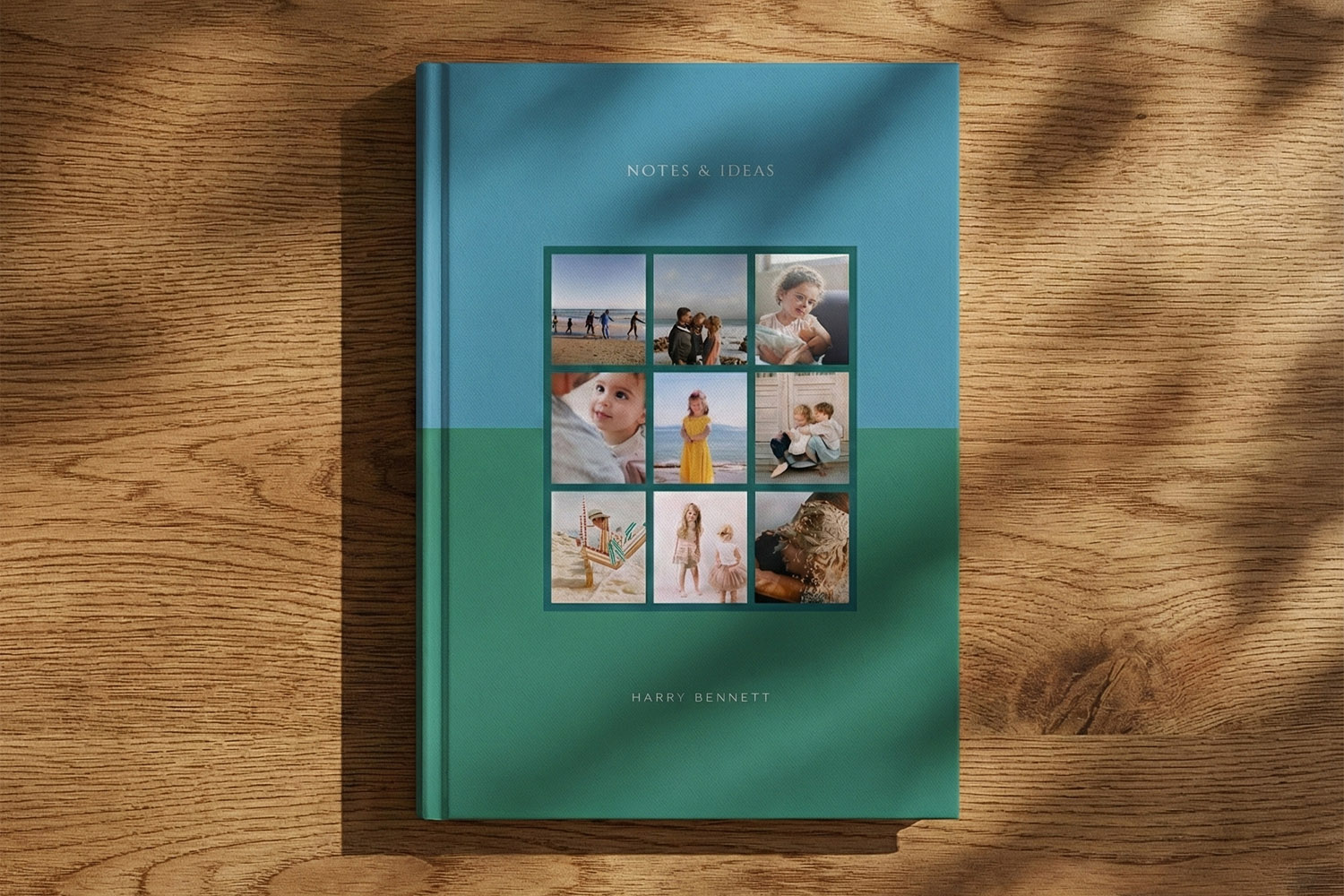
This personalised notebook features a vibrant bubble pattern cover, perfect for jotting down thoughts while relaxing in the garden.
Why paper weight matters—and what 90gsm actually means
Paper weight can feel like jargon until you hold a notebook and start writing. “90gsm” simply means each square metre of the sheet weighs 90 grams. It’s a quick shorthand for how substantial the paper feels in the hand. Weight is not the same as thickness, but it usually correlates: higher gsm stocks tend to feel sturdier, look more opaque and resist ink bleed better.
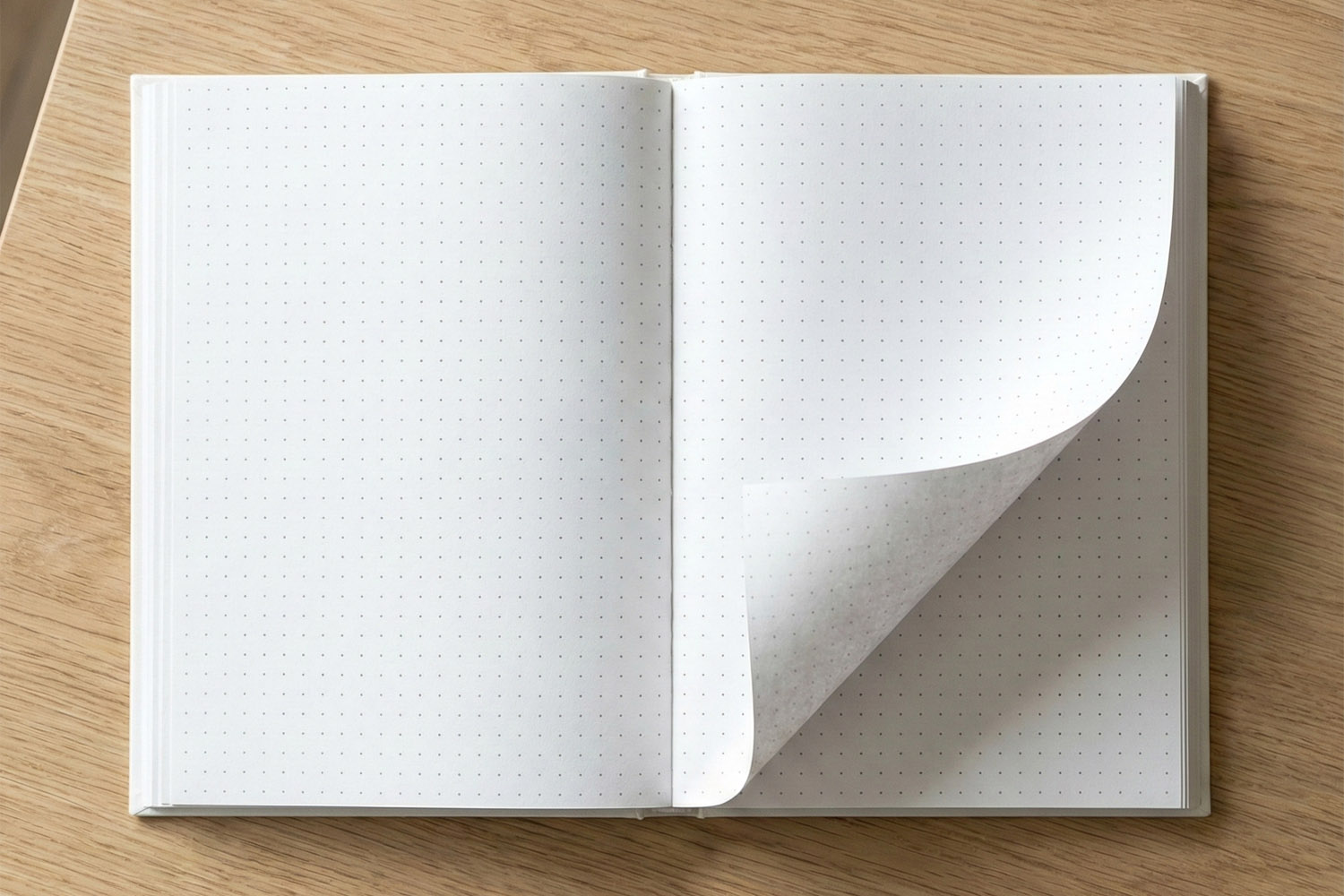
In Utterly Printable’s A5 hardback notebooks, the internal pages are a smooth, uncoated 90gsm stock—chosen to balance writing performance with portability. Uncoated means the surface hasn’t been sealed with a shiny coating, so pens lay down ink with a pleasingly tactile feel and pencil graphite grips the page neatly. The pages are FSC-certified and designed to be bleed-resistant for typical day-to-day pens. You can choose lined, dotted, or plain layouts, each on the same 90gsm paper, so bullet journals, sketches and tidy lecture notes all sit comfortably side by side in your stationery drawer.
If you’re planning a personalised notebook, you can preview designs, add names, titles or photos, and choose your interior layout on the core product page here: personalised notebooks.

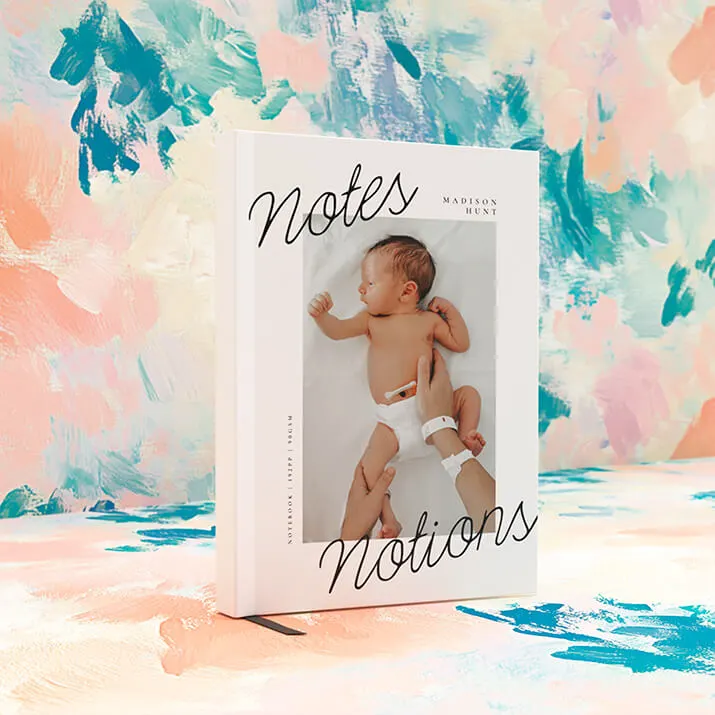
This personalised notebook features a custom photo cover and stylish script design, perfect for capturing memories or daily notes.
90gsm in practice: opacity, show-through and double-sided writing
When people ask “Will my pen bleed through?”, they’re really thinking about two related effects:
- Bleed-through: wet ink soaks through and actually stains the back of the page.
- Show-through (ghosting): you can faintly see what’s written on one side when you turn the page, even if nothing has bled.
A well-made 90gsm sheet gives you a practical middle ground. It’s opaque enough for most pens to write on both sides without distraction, yet light enough to keep the book slim and bag-friendly. In an A5 format, that matters: you want a notebook that’s comfortable in meetings, lectures or your rucksack, not a brick that lives permanently on your desk.
Utterly Printable’s notebook internals comprise 96 leaves (192 sides) of this smooth 90gsm stock, bound into a sturdy A5 hardback. That page count works well for school terms, project sprints and journalling streaks, while the moderate gsm helps keep overall thickness manageable. For gifting, the same paper consistency runs across our style collections, from thoughtful notebooks for Dad to keepsake notebooks for Grandma and classic notebooks for Grandad.
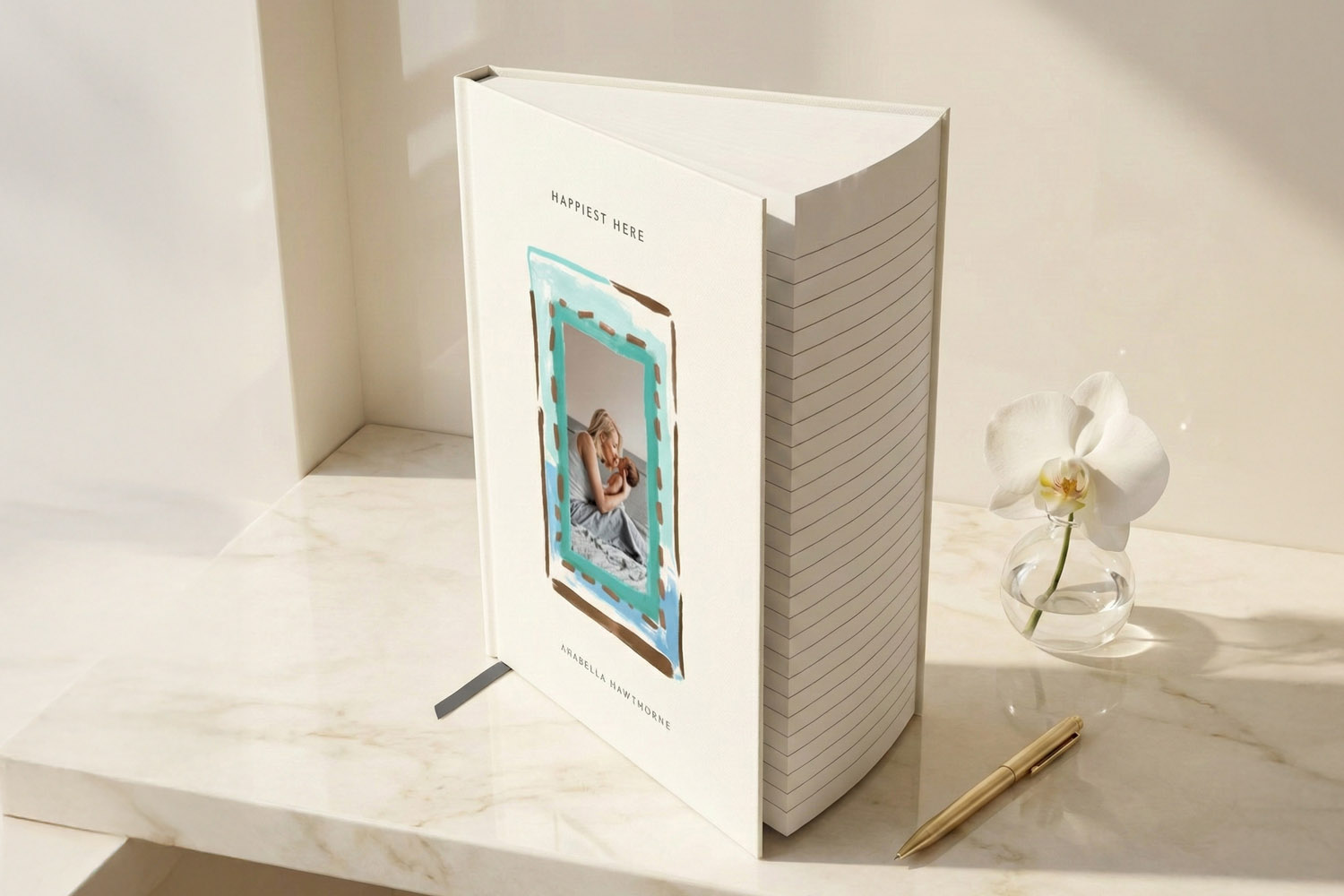
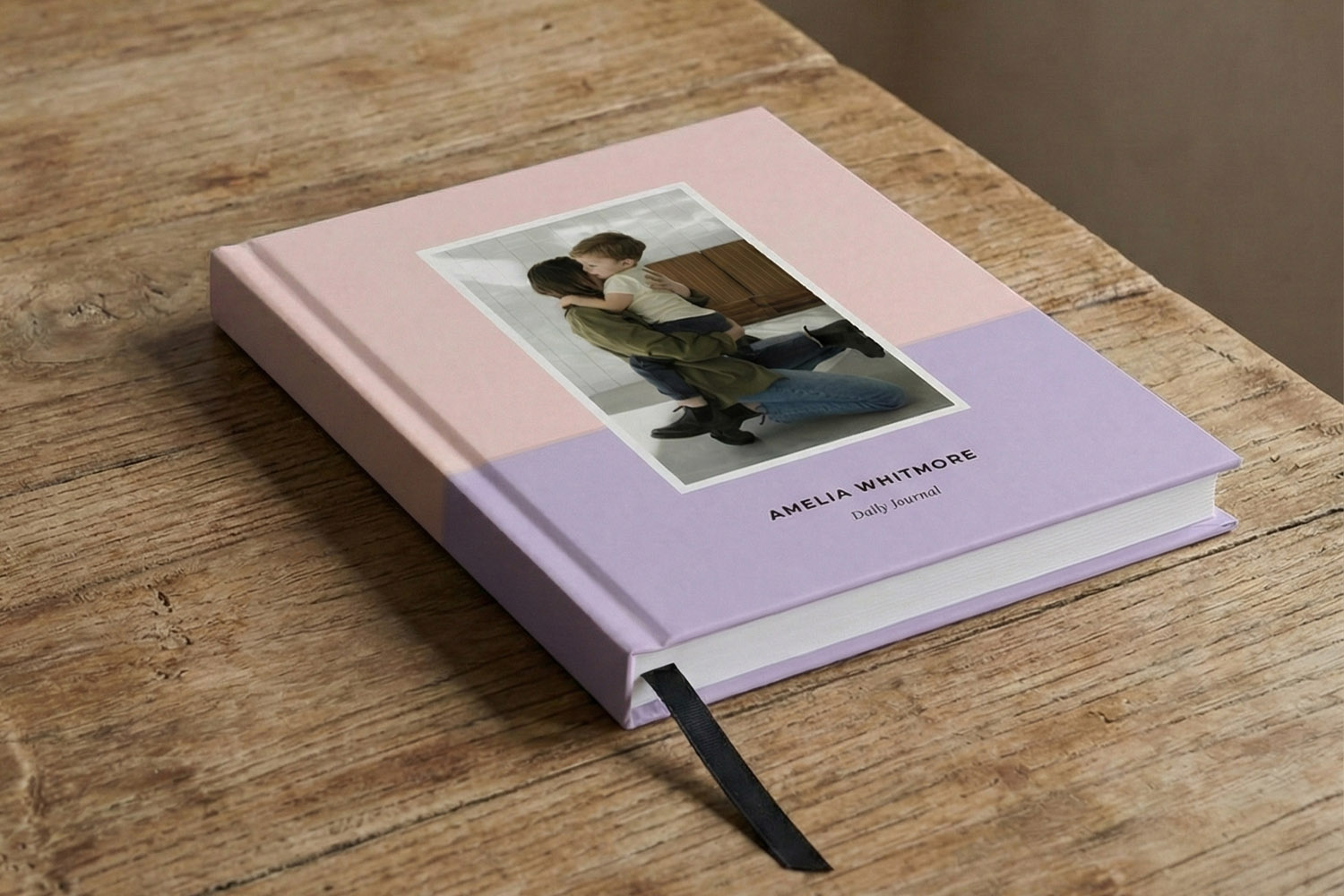
Elegant personalised notebook featuring a custom photo cover and lined pages, perfect for journaling or thoughtful gifting.
Pen-by-pen: how 90gsm handles common writing tools
Different inks and nibs behave differently on uncoated paper. Here’s what to expect on a smooth 90gsm page:
Ballpoint & biro
:
Oil-based ballpoint ink is relatively dry. On 90gsm uncoated stock it writes cleanly with virtually no bleed-through, even on the reverse side. It’s an excellent everyday pairing for lists, signatures and rapid notes.
Gel pens
:
Gel ink lays down rich colour with tidy, crisp lines. On 90gsm it’s typically well-behaved; only the very boldest tips may create light show-through. Allow a moment for drying if you write with heavy pressure.
Rollerball (liquid ink)
:
Rollerball pens feel fluid and dark. On a smooth 90gsm sheet you can expect clear lines with minimal feathering. Wider tips and very wet inks can increase show-through; consider moderating pressure or using narrower tips for double-sided pages.
Fine-liners & fibre tips
:
Pigment fine-liners designed for note-taking and sketching pair nicely with 90gsm. They produce crisp lines with good control. Heavier fibre-tips used for colouring may show on the reverse—try lighter layering or leave the reverse blank for headings.
Fountain pens
:
With sensible combinations—fine or medium nibs and standard (non-shimmer) inks—90gsm performs well. It’s smooth under nib, comfortable for long sessions, and resists feathering on most inks. Very wet nibs, broad stubs, or highly saturated/shimmer inks can lead to increased show-through or occasional spots of bleed. Simple adjustments help: use a finer nib, lighten pressure, or keep a sheet of blotting paper handy when you’re writing quickly.
Pencils
:
Graphite grips uncoated fibres beautifully. On 90gsm, HB to 2B pencils erase cleanly for sketches and layout grids in bullet journals. The dotted and plain layouts are especially popular here.
Highlighters
:
Water-based highlighters usually behave; alcohol-based markers are the most likely to bleed on any paper weight. If markers are your main tool, test a corner page first and use lighter passes.
Why smooth uncoated pages feel easier on the hand
Texture matters for long notes. A smooth uncoated surface gives you enough feedback to control your handwriting without the “skating” sensation of glossy coated sheets. That means neater letters, less hand fatigue, and a more pleasant rhythm—especially helpful for fast lecture scribbles, agenda notes or habit trackers.
90gsm vs 120gsm: which is right for you?
It’s common to compare 90gsm with heavier stocks like 100–120gsm. Here’s a clear, practical way to choose.
Pick 90gsm if you want:
- A balanced, everyday page that copes with most pens
- Double-sided writing with minimal distraction for common inks
- A portable, slimmer book that fits easily into bags
- 192 writing sides in a compact A5 hardback without extra bulk
- A versatile base for lined, dotted or plain note-taking and sketching
Consider 120gsm if you need:
- Heavier inks and very wet nibs with the least possible show-through
- Thicker pages for markers and layering (accepting more weight and thickness)
- Fewer overall pages (or a noticeably chunkier book) for the same binding size
For most students, professionals and journal fans, 90gsm offers the sweet spot: reassuringly solid, pleasant to write on, and light enough to carry daily. It’s why Utterly Printable have standardised on a smooth, bleed-resistant 90gsm for the internals of our A5 hardback notebooks. The hardback itself uses a durable 2.4 mm greyboard wrapped in 170gsm silk art paper with a protective matt lamination, so the covers stay smart in your bag—while you focus on the pages that matter inside. You can explore the full range and customise a cover on our personalised A5 notebook page.

FAQ: 90gsm Notebook Paper, Answered
Quick, clear answers to the most searched questions.
For most everyday pens (ballpoint, gel, fine-liner and sensibly-inked fountain pens), 90gsm is designed to be bleed-resistant . You may see light show-through with very wet inks or bold tips, but actual bleed-through is uncommon in normal use.
Yes—especially with fine or medium nibs and standard inks. Very wet, broad or shimmer inks may produce more show-through; a finer nib or lighter pressure helps if you want to write on both sides of the page.
Bleed-through means ink has soaked to the other side. Ghosting (show-through) is where you can see a shadow of the writing from the other side under bright light. 90gsm balances both well for typical writing.
Uncoated pages have a natural, pen-friendly surface. They accept ink quickly, feel comfortable under the hand, and give pencils a clean, grippy line—ideal for lists, sketches and bullet journalling.
Absolutely. The dotted layout offers subtle guides for tables, trackers and grids; lined helps with tidy long-form notes; plain is best for sketches and freeform planning. All are printed on the same smooth 90gsm stock.
Lined vs Dotted vs Plain Notebooks: Which Interior Layout Should You Choose?
Explore the differences between lined, dotted, and plain notebooks to find the perfect interior layout for your writing, planning, or creative projects. This guide covers each style’s strengths, helping you choose the best personalised A5 notebook for your needs.
Personalised notebooks as gifts: ideas for every occasion
Discover thoughtful personalised notebook gift ideas for every occasion, from birthdays and graduations to corporate events and weddings. Explore tips on custom cover designs, page layouts, and meaningful personalisation to create a truly special, practical present.
What Makes a Premium Hardback Notebook? A Buyer’s Guide
Discover what sets a premium hardback notebook apart in this buyer’s guide, covering essential features like casebound construction, matt lamination, sturdy greyboard covers, and 90gsm paper. Learn how these details impact durability, writing comfort, and everyday use.
Products related to notebooks:


Personalised Notebooks